How Often Should Men Get A Haircut?
When it comes to looking sharp, the biggest question men ask is: “How often should I actually be seeing my barber?” While the short answer is “It depends,” the truth is that understanding your ideal haircut frequency is the secret weapon to a consistently great look. Wait too long, and your crisp fade turns fuzzy; go too early, and you waste time and money. Drawing on years of experience behind the chair, this guide will break down the exact timing for every man’s style, explain the factors (from your job to your genetics) that affect your schedule, and debunk common myths. By the time you’re done reading, you’ll know precisely when to book your next appointment.
I. The Core Answer: How Often Should You Get a Haircut?

The short answer is: It depends entirely on your hairstyle. Think of a haircut like changing the oil in your car. The type of car you drive (your style) determines how often you need maintenance.
If you like your hair to look sharp and clean at all times, you’ll need to visit your barber more frequently. If you prefer a relaxed, natural look, you can stretch the time between visits.
The Quick Answer: Finding Your Ideal Haircut Frequency
The best way to determine your schedule is to look at the length and complexity of your cut:
| Hair Style | Recommended Frequency | Key Reason |
| Short Styles (Fades/Buzz Cuts) | Every 2–3 Weeks | Fast hair growth quickly blurs the precise lines and blending. |
| Medium Styles (Side Part/Quiff) | Every 4–6 Weeks | Keeps the shape from getting too heavy and prevents sides from bulging. |
| Long Styles (Shoulder Length+) | Every 6–8 Weeks | Focus is on removing damage and keeping the ends healthy, not maintaining a sharp shape. |
Short Styles & Buzz Cuts (Fades, Crew Cuts): Every 2–3 Weeks
Short haircuts, especially those with skin fades, high fades, or tapers, demand the most frequent upkeep.
Men’s hair typically grows about half an inch (1.25 cm) per month. In two weeks, that half-inch growth is enough to completely soften a sharp fade line or make the edge-up around your temples look fuzzy.
If you have a professional job that requires you to look perfectly polished every day, plan to visit your barber every 10 to 14 days for a quick cleanup or touch-up on the back and sides.
Medium-Length Styles (Side Parts, Pompadours): Every 4–6 Weeks
For styles where the hair is about 2–4 inches long (like a side part, textured crop, or quiff), you have more flexibility.
This hair length grows out more gracefully because the weight of the hair helps it lie down. However, after four weeks, the hair around your ears and the back of your neck will start to push out and lose its original shape. A cut every 4 to 6 weeks is the sweet spot for maintaining volume and manageability.
Long Styles & Grow-Out Phase: Every 6–8 Weeks
If you’re growing your hair out, or if it is already past your ears, you can wait longer between cuts.
It may seem counterintuitive to cut your hair when you want it longer, but these trims are focused on health, not length. Trimming about half an inch every 6 to 8 weeks keeps the ends free of damage and split ends, which ultimately allows the rest of the hair to grow stronger and faster without breaking off.
II. Contextual Factors: What Affects Your Schedule?
The general guidelines above are just starting points. Your personal style, job, and biology play a huge role in adjusting that schedule.
The 5 Key Factors That Affect Your Ideal Haircut Schedule

1. Your Hair Growth Rate (Genetics, Diet, & Health)
If you notice you need a haircut sooner than your friends, you probably have a faster-than-average hair growth rate due to genetics. No amount of cutting can speed this up or slow it down. You simply need to adjust your personal schedule. A healthy diet rich in protein, biotin, and vitamins will support maximum growth, which means you’ll need more frequent cuts to maintain a sharp look.
2. Professional, Personal Style, and Lifestyle Demands
Your lifestyle sets the maintenance requirement for your hair:
- High Maintenance (Professional): If you work in a corporate, finance, or legal setting, your look is part of your professional image. You must maintain a clean, tidy, high-precision look, requiring cuts every 3–4 weeks at most.
- Low Maintenance (Casual): If you have a relaxed, creative, or casual job, you have more freedom. You can let your hair grow out for 6–8 weeks without worrying about a stray hair affecting your professional standing.
3. Budget and Time Commitments
Let’s be practical: haircuts cost money and take time out of your busy week.
- Cost vs. Frequency: If you choose a high-end barber or salon, a weekly or bi-weekly cut can quickly become expensive. Consider if you can handle a slightly longer style that only needs a trim every five or six weeks, saving you money and time.
- Time Savers: Many professional barbers offer quick, affordable “neck cleanup” or “taper maintenance” services between full appointments. These 10-minute sessions are cheaper and faster than a full cut and can help you stretch your schedule without looking messy.
4. Styling Effort and Products Used
How much time and effort you put into your hair each morning can change how often you need to visit the barber.
- High-Effort Styles: Cuts like the pompadour or a hard-part side part look amazing when fresh, but they rely heavily on the precision of the cut. As the hair grows, the styling becomes much harder. If you struggle to get your hair to lie right after three weeks, that’s your signal to book an appointment.
- Low-Effort Styles: If you prefer styles, you can run your fingers through and apply a little cream, or you can wait longer. These tend to grow out more naturally and don’t rely as heavily on razor-sharp lines.
5. Seasonal Changes (Summer vs. Winter Trends)
The weather and time of year often influence haircut frequency:
- Summer: Most men prefer shorter, cooler styles in the heat, such as buzz cuts or high fades. These shorter cuts mean you’ll be booking appointments more frequently, often every two weeks, to maintain that clean, airy feel.
- Winter: Longer, layered looks that offer more warmth and versatility (like flows or shags) are popular. Since these styles look good with a little extra growth, you can usually push your schedule out to five or six weeks.
III. Hair Health and Debunking Common Myths
This is where we separate the facts from the fiction you might hear about hair growth. Regular haircuts are about much more than just looking good. They are a vital part of keeping your hair strong and healthy.
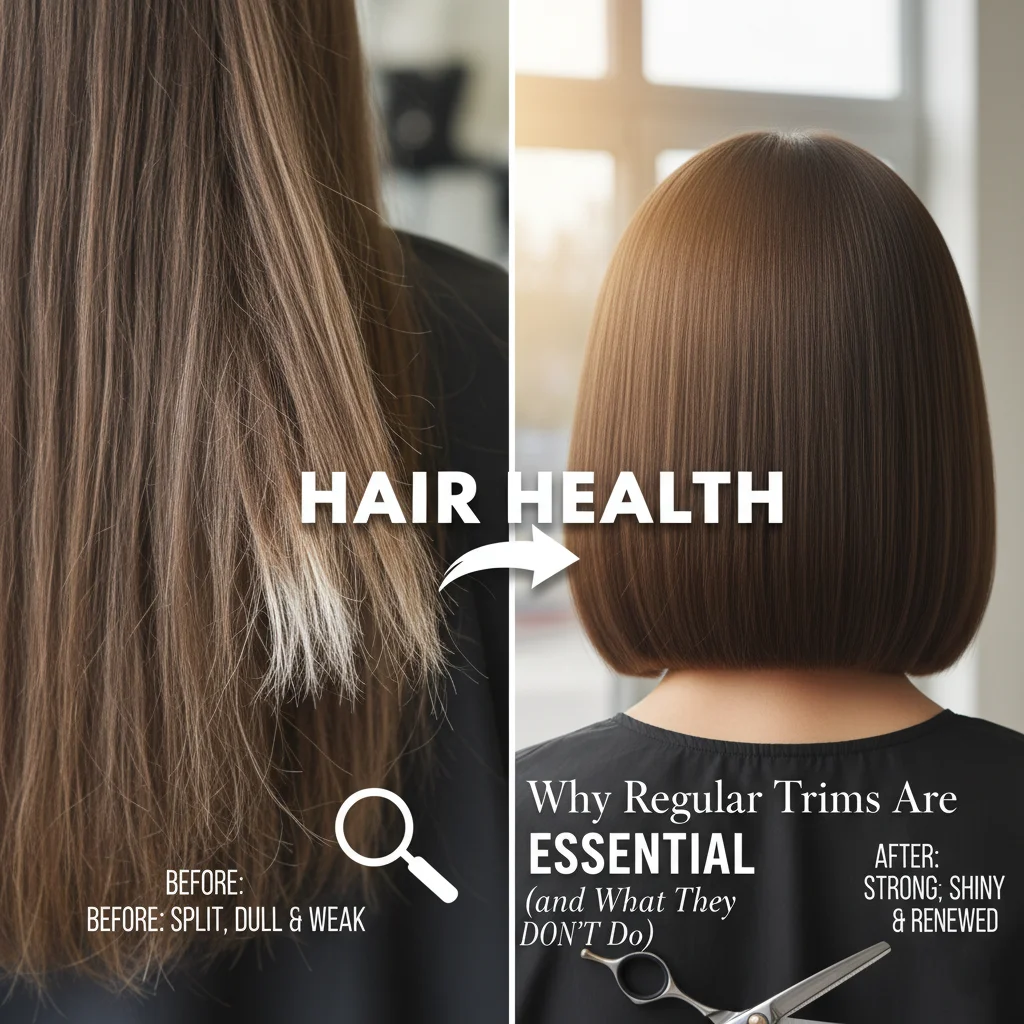
Hair Health: Why Regular Trims Are Essential (and What They Don’t Do)
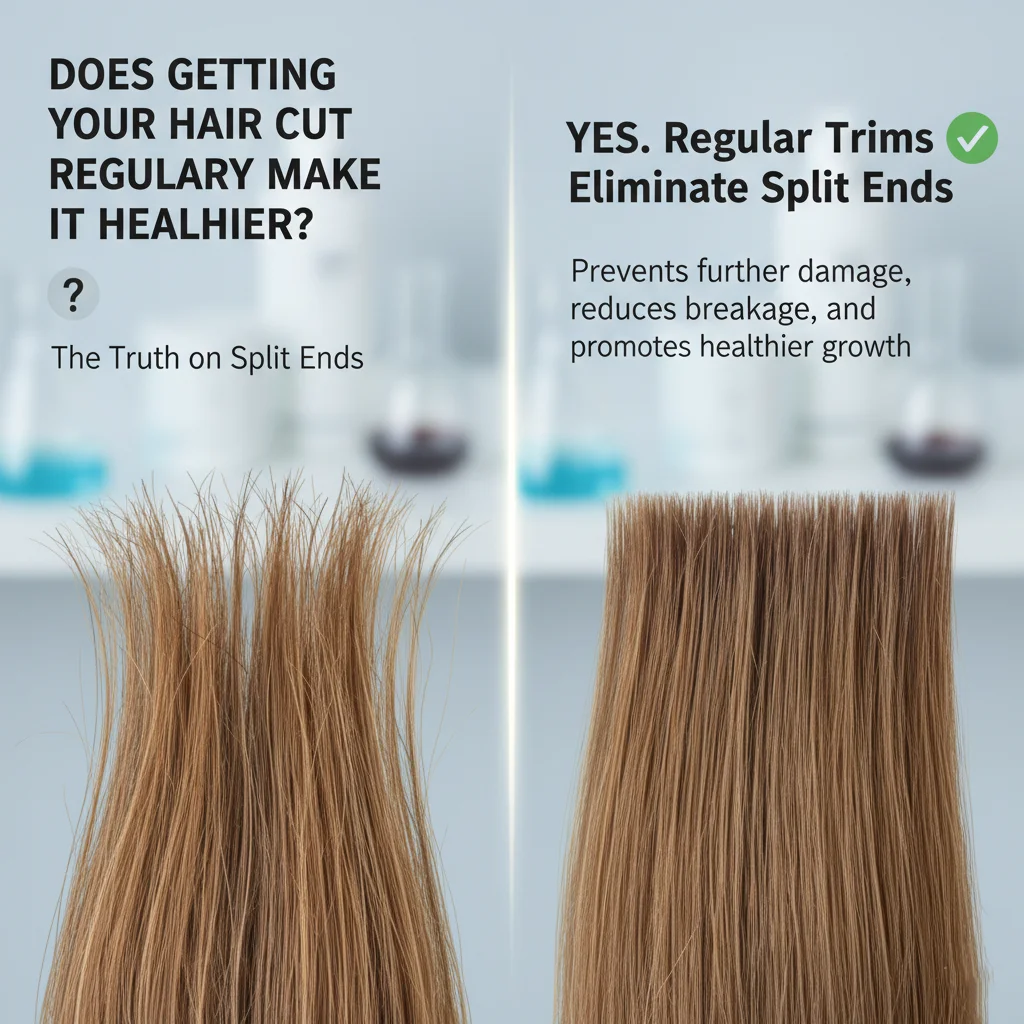
Does Getting Your Hair Cut Regularly Make It Healthier? (The Truth on Split Ends)
Yes, regular trims make your hair healthier, but only by managing the ends.
Over time, the tips of your hair strands face a lot of wear and tear from styling, hats, the sun, and washing. This damage causes split ends. Think of a split end like a frayed rope. Once the end starts to split, the fraying can travel up the rope, causing the entire strand to weaken and break off higher up.
When you get a regular trim:
- You remove these weak, split ends before the damage can spread.
- Your hair instantly looks fuller and thicker because the ends are blunt and uniform instead of thin and scraggly.
- It reduces frizz and makes your hair much easier to style every morning.
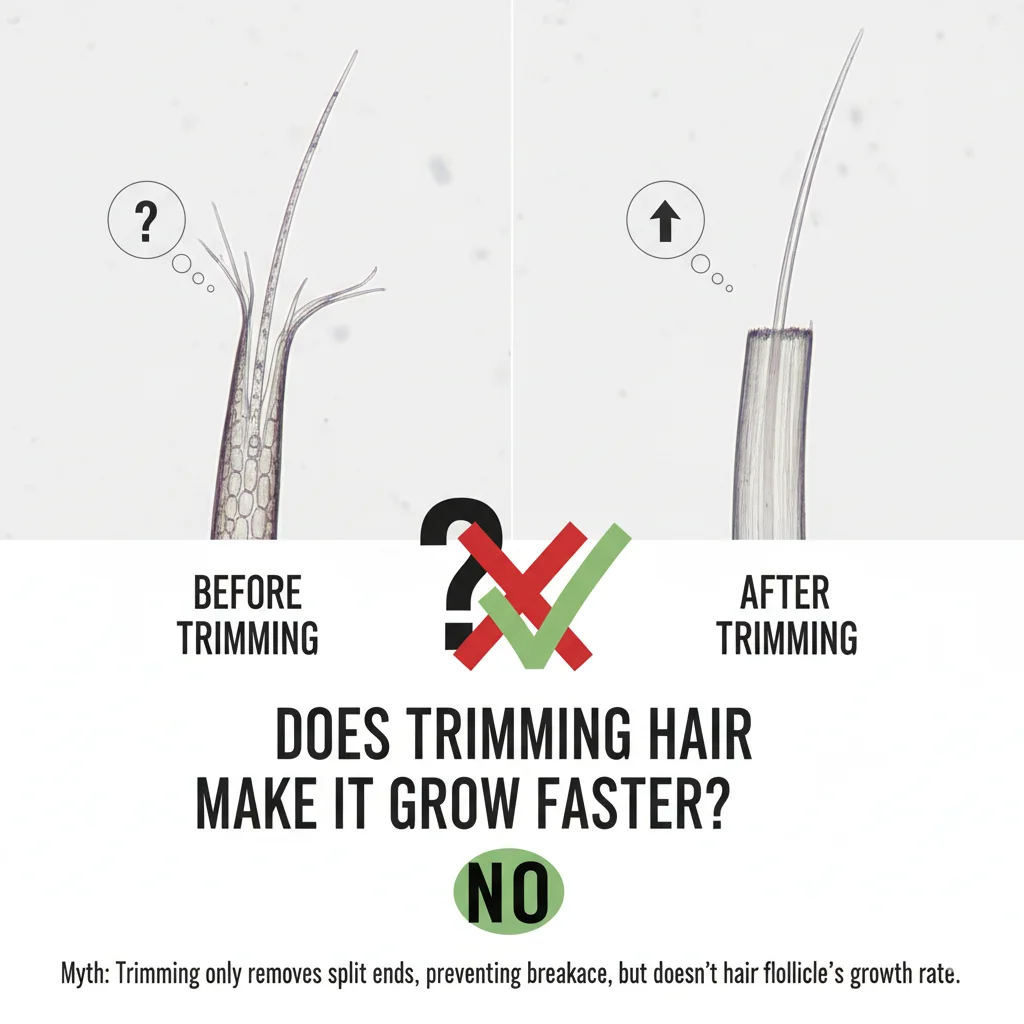
Myth Debunked: Does Trimming Hair Make It Grow Faster?
No, cutting your hair does not make it grow faster.
This is the biggest myth in the world of hair care! Your hair grows from the follicles on your scalp (the roots), not from the tips. Cutting the ends has absolutely no impact on the speed at which your roots are pushing out new growth.
However, trimming is still vital for anyone trying to grow their hair long! If you skip trims, your hair will constantly break off at the split ends, meaning you lose the length you grew. By removing the damage, you allow your hair to reach its fullest, strongest potential length without damage breaking it down.
Pro Tips: How to Care for Your Hair Between Barber Visits

A solid haircut lasts longer when you follow a simple maintenance routine at home.
- Be Gentle with the Towel: Don’t rub your hair vigorously with a rough bath towel. This rough friction causes damage and split ends. Instead, gently pat your hair dry with a soft microfiber towel or an old t-shirt.
- Don’t Skip Conditioner: Many men think conditioner is optional. It’s not. Conditioner replaces the moisture lost during shampooing, which keeps your hair flexible and strong. This prevents the dryness that leads to breakage and split ends.
- Watch the Heat: Minimize using high heat from a hairdryer. If you must use one, always apply a heat protection spray first. High heat zaps the moisture right out of your hair, leading to quick damage.
IV. Barber Secrets & Logistics
This section is all about what happens behind the chair, the practical details, and insider tips that help you maintain your look like a professional.
Inside the Barber Shop: Timing and Touch-Up Strategies
How Long Does an Average Man’s Haircut Take?
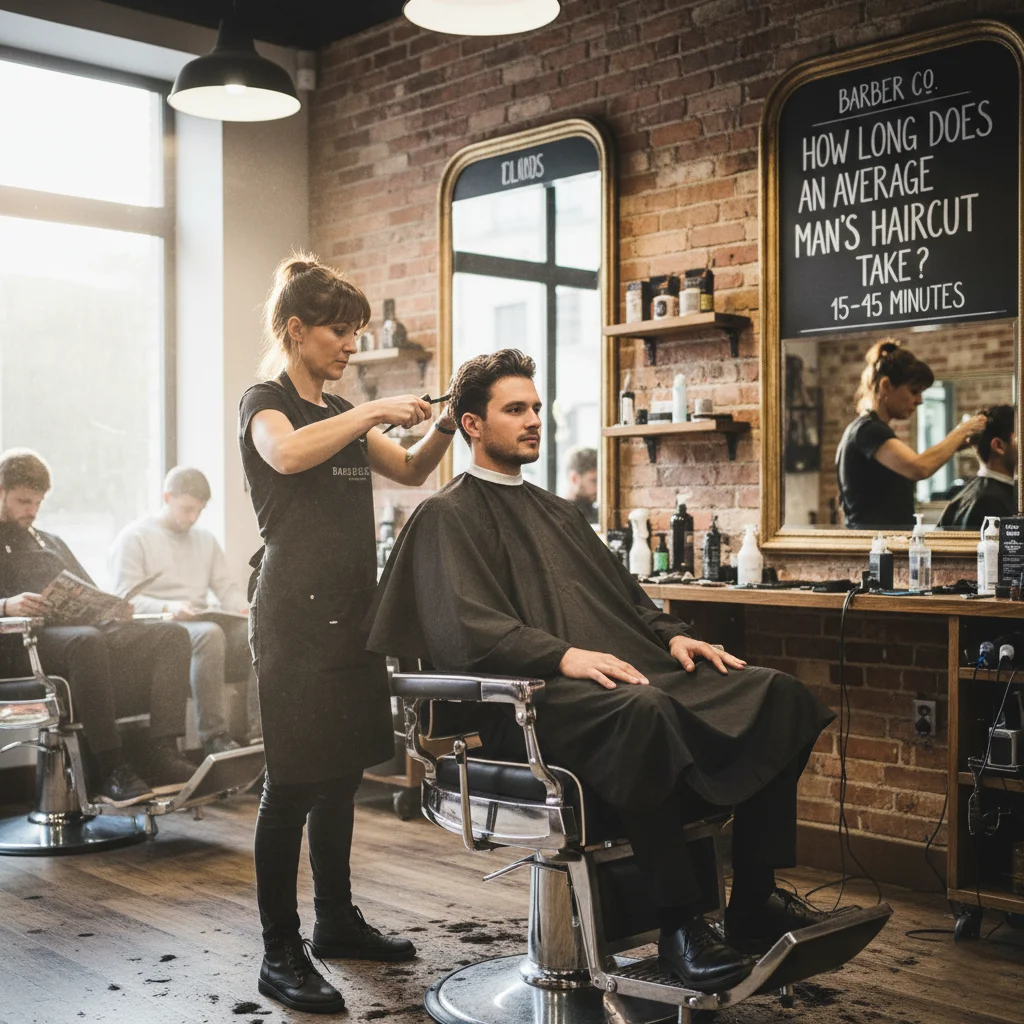
The time you spend in the chair usually depends on the complexity of your chosen style and your barber’s experience level.
- Quick Cuts (30–40 minutes): This is the typical time for most short, consistent cuts like a crew cut or a classic taper. The barber uses clippers mainly, and the process is fast once the sectioning is done.
- Detailed Cuts (45–60 minutes): Styles that require more intricate fading, scissor work on top (like a modern flow), or complex texturizing will take longer. A master barber takes the time to blend seamlessly.
- The Golden Rule: If a barber is trying to rush a detailed fade in less than 20 minutes, they might be cutting corners. Good work takes a little time!
Why Your Haircut Looks Better a Week Later
Have you ever noticed that your hair feels a little stiff or too “perfect” right after you leave the shop, but hits its absolute peak about seven days later? You’re not imagining it.
- The Softening Effect: When your hair is freshly cut, the ends are blunt, rigid, and lie in perfect lines. After a few days, your hair has been washed a couple of times and slept on, causing the ends to soften and relax.
- Oil Redistribution: Your scalp’s natural oils (sebum) start moving down the hair shaft a few days after washing. This light, natural oil adds a subtle shine, weight, and control that makes your style hold its shape in a way that feels effortless and polished, the ideal “lived-in” look.
Expert Tip: How to Stretch a Fade (Touch-Up Strategies)
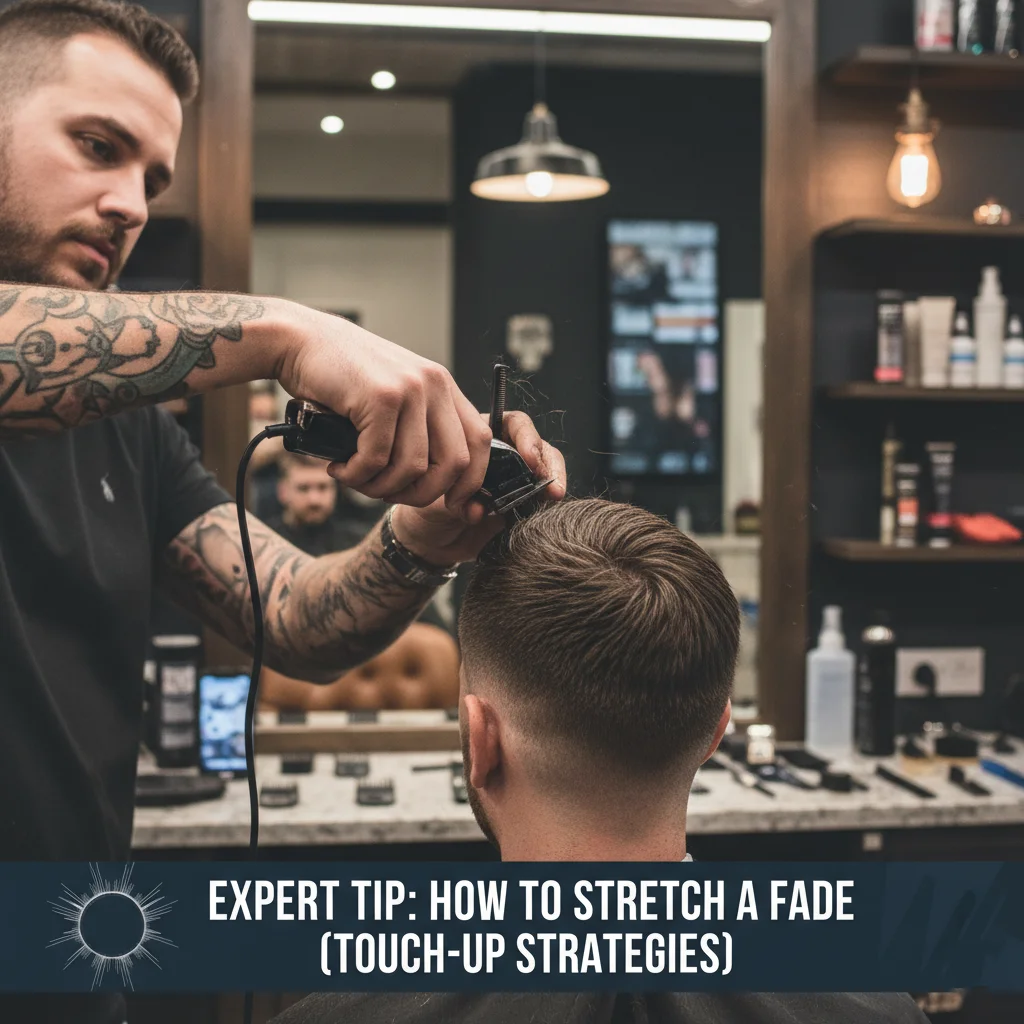
Fades are the hardest style to maintain, but you don’t have to pay for a full haircut every two weeks.
Ask your barber for a “Neck and Taper Cleanup.”
- This is a quick, inexpensive service (sometimes free, depending on the shop) where the barber only addresses the lines around the ears, the back of the neck, and the bottom half of the fade.
- They don’t touch the top or the main blend.
- This cleanup instantly restores that crisp, sharp edge without the cost and time commitment of a full haircut, easily letting you stretch your full appointment by another week or more.
Can You Get a Haircut Too Often?
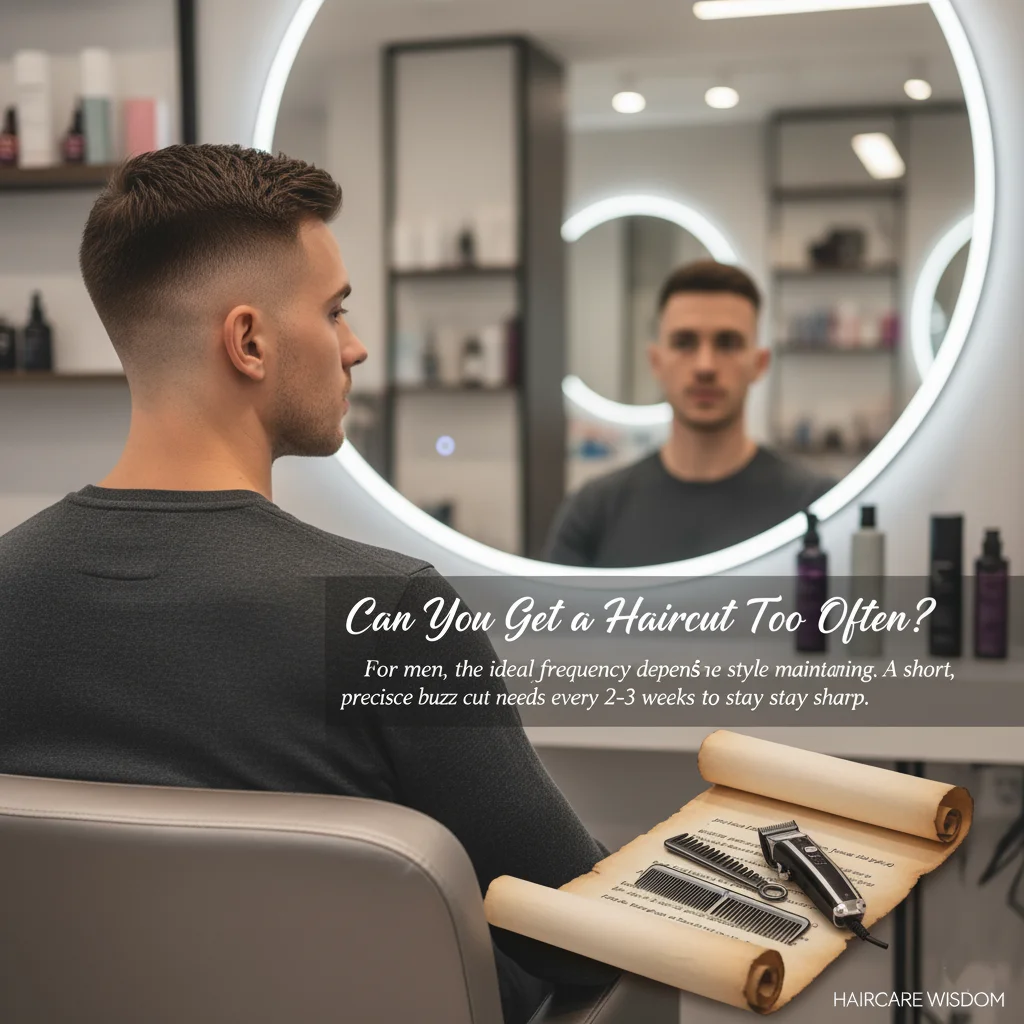
While it’s rare, yes, you can overdo it.
The only real problems with cutting your hair too often are cost and recovery time. Getting a full cut every four to five days doesn’t give your hair a chance to settle, and the constant styling and product use can be hard on your scalp.
If you love the feeling of a fresh trim, stick to the cleanup strategy mentioned above every week, and save the full cut for every three to four weeks. Your wallet and your hair will thank you.
V. Summary
H2: Final Summary: Finding Your Perfect Haircut Rhythm
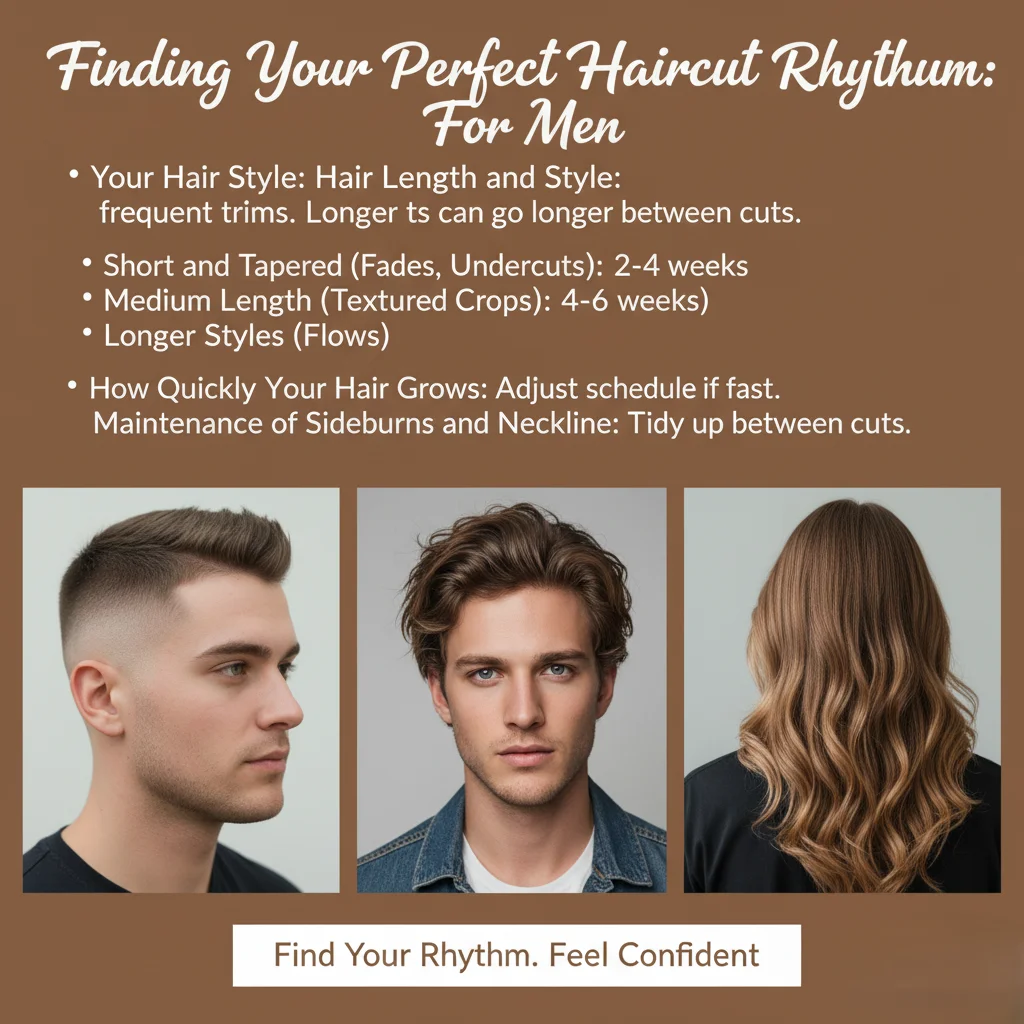
Ultimately, the best haircut schedule is one that works for your hair, your lifestyle, and your budget.
If you have a high-maintenance style like a skin fade or a sharp buzz cut, treat your barber like your personal trainer—you need to see them consistently (every 2–3 weeks) to maintain peak performance. If you have a longer, more forgiving style, you have more flexibility.
The most important step is to talk to your barber. They are the true experts. They know your hair’s unique growth pattern and can give you a personalised recommendation on how long you can wait before your style starts to fall apart. Don’t be shy, ask them for their personal advice next time you are in the chair!
Frequently Asked Questions (FAQs)
Is 6 Months Without a Haircut Bad?
While it won’t harm your health, going six months without a trim is generally a bad idea for your hair’s appearance and manageability. Without regular trims, your hair will collect split ends, which travel up the hair shaft and cause breakage. This makes your hair look stringy, frizzy, and often stops you from achieving the length you want because the ends keep snapping off. Even if you’re growing it out, aim for a healthy trim every 8–10 weeks.
Can I Cut My Own Hair?
For anything more complex than a basic buzz cut with a guard, it’s best to leave it to the professionals. A barber trains for years to master the subtle blending, line work, and scissor techniques needed for a polished look. Trying to tackle a fade or a layered cut on yourself often leads to uneven patches, visible lines, and a difficult fix that ends up costing you more money at the barbershop anyway.
What’s the Difference Between a Taper and a Fade?
The terms are often used interchangeably, but there’s a difference:
Fade: Hair on the sides goes down to the skin (or very close) near the neck and blends up high, sometimes all the way to the top of the head.
Taper: Hair gets gradually shorter as it goes down, but it usually stops above the skin, leaving a little length. A taper is usually only done around the neck and sideburns. A fade requires much more frequent maintenance (2-3 weeks) because the sharp skin line grows out quickly.
How Do I Deal with the “Awkward Stage” When Growing Hair Out?
This is the phase (around 2–4 months) where the sides stick out before the hair has enough weight to lie flat. The best way to manage it is to:
Use Products: Sea salt spray or light styling cream can add texture and control the direction of the hair.
Trim the Back: Ask your barber for a small, weight-reducing trim on the hair at the back of your neck. Keeping the back neat allows the top to catch up without giving you a mullet look.
How Much Should a Man Expect to Pay for a Good Haircut?
The cost depends heavily on location and the barber’s experience.
Small Town/Basic Cut: $20–$35
City/Specialty Barbershop: $40–$70
High-End Salon/Master Barber: $75+ The most important rule is to pay for the quality you want to maintain. Don’t choose the cheapest option if you have a complicated style like a high fade or a pompadour, as poor blending will only make you need a better haircut sooner.