Taper vs Fade: Key Differences Between Men’s Haircuts
Walk into any barbershop, and you’ll likely hear clients debating between a taper and a fade. Both haircuts may appear similar at first glance, with clean sides, short lengths, and a crisp finish, but the magic lies in the subtle details that only a trained eye can discern. A skilled barber knows that these tiny differences can completely transform how your face looks, how your hairstyle grows out, and even how confident you feel walking out of the chair.
Choosing between a taper and a fade isn’t just about copying a style from Instagram; it’s about understanding why one cut complements your head shape, lifestyle, and personal image better than the other. The best barbers don’t simply follow trends. They tailor every fade or taper to express your individuality.
In this guide, we’ll break down what truly separates a taper from a fade, not just by how they’re cut, but by how they fit you. You’ll discover how these styles work with your hair texture, face shape, and grooming habits, so that next time you sit in that barber’s chair, you’ll know exactly what to ask for and why it matters.
What’s The Difference Between a Taper vs Fade?
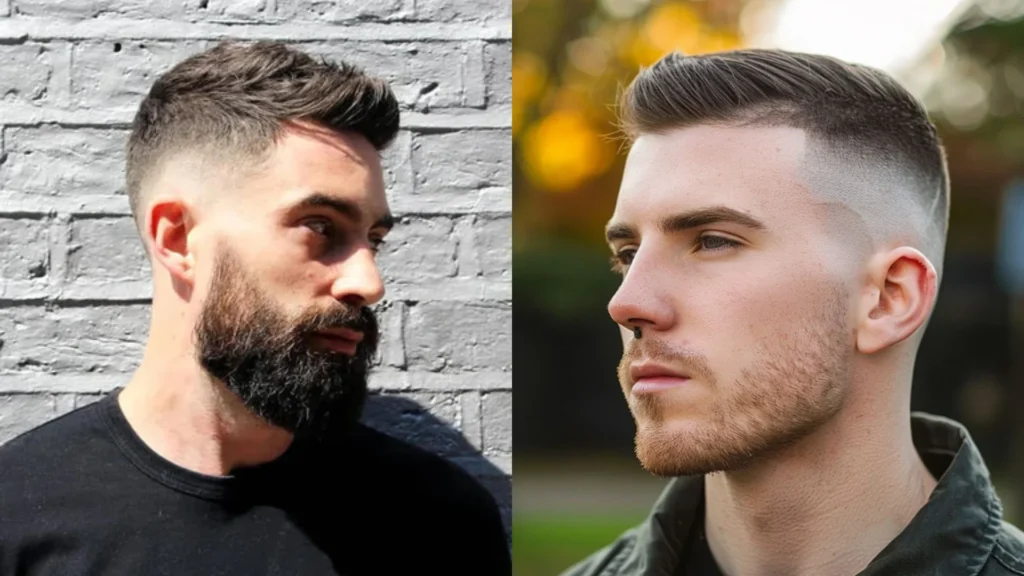
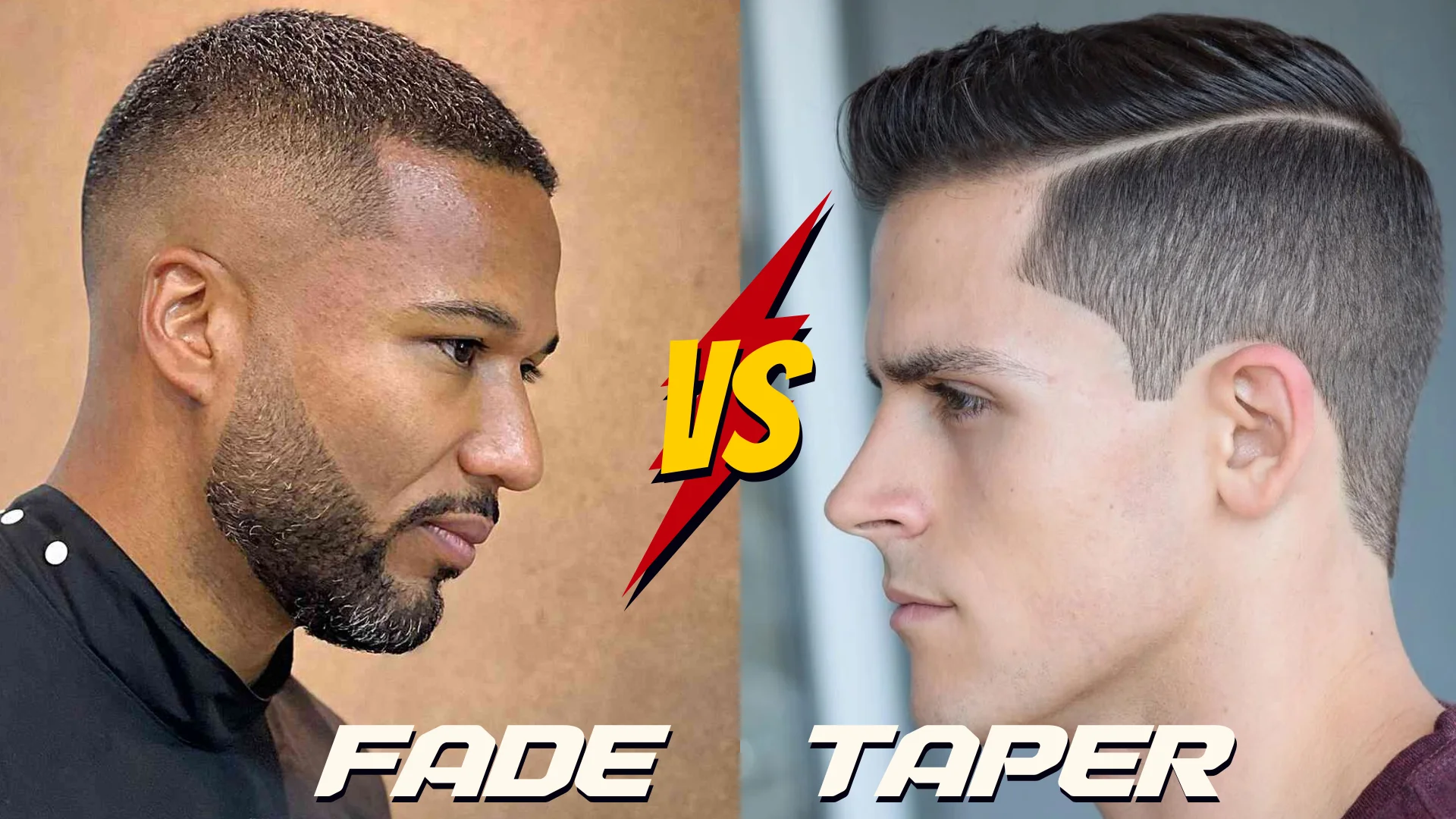
At a glance, tapers and fades look similar, short, clean, and modern. But their impact is completely different. A tapered cut offers a smooth, gradual transition in length, keeping hair slightly longer near the neckline and sides. It gives off a natural, professional look that grows out neatly and works for any setting.
A fade cut goes bolder. The hair blends dramatically down to the skin, creating a sharp contrast that frames your jawline and adds structure to your face. It’s a confident, eye-catching style that demands precision and regular upkeep.
The right choice depends on your face shape, lifestyle, and personal style. A fade defines softer, rounder faces, while a taper balances longer ones. If you prefer low-maintenance grooming, the taper wins. If you crave a crisp, high-impact finish, the fade delivers.
Ultimately, this isn’t about copying a trendy cut. It’s about finding what fits your identity. The best barbers read your features, routine, and personality to tailor each haircut to you. Whether you need understated polish or bold confidence, understanding the taper vs. fade difference ensures your look always speaks your language.
What Is a Taper?
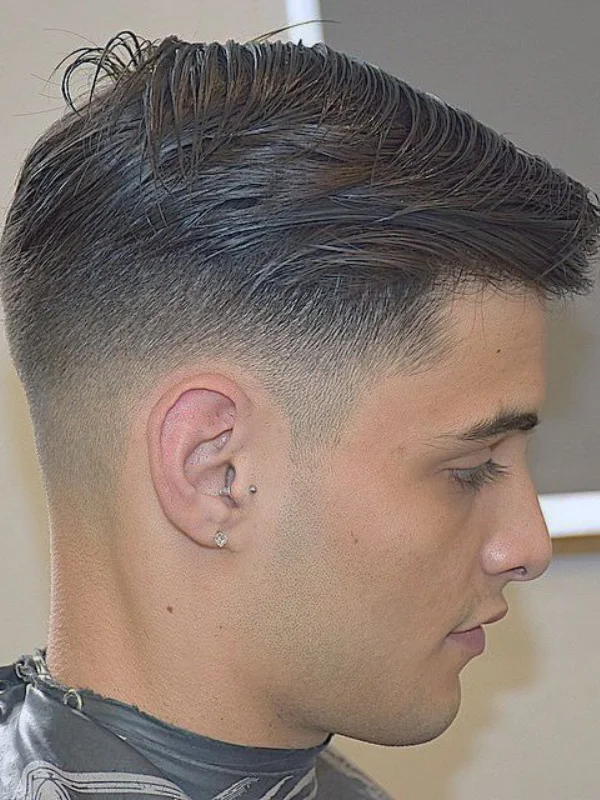
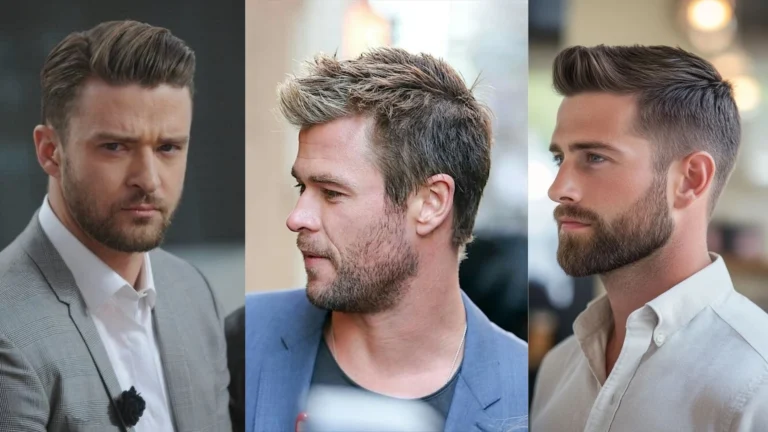
A taper is a haircut that blends precision with natural style. Hair stays longer at the top and gradually shortens down the sides and back, finishing cleanly around the hairline without exposing skin. The result is a balanced, smooth transition that looks polished but never overdone.
What sets a taper apart is its versatility and longevity. It grows out evenly, keeping you looking sharp for weeks without frequent trims. Whether your hair is wavy, curly, or straight, the taper adapts effortlessly. It’s the foundation for countless classic and modern styles, from slick-backs to textured crops.
If a fade demands attention, a taper commands quiet respect. It suits men who want a professional, low-maintenance look that feels timeless. That’s why barbers often call it a “smart foundation,” a cut that works with your lifestyle, face shape, and personal image, evolving naturally as your hair grows.
Types of Tapers
Low Taper
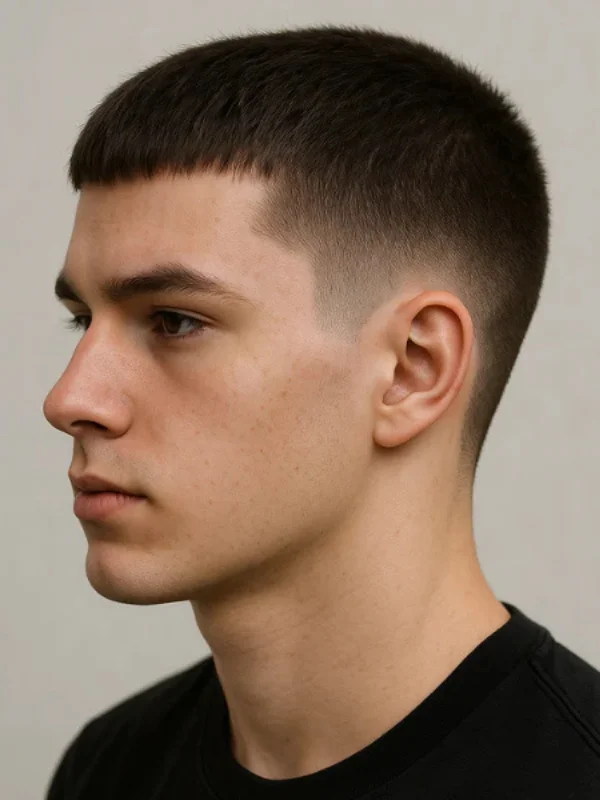
A low taper begins just above the ears, creating a smooth transition from longer hair on top to shorter hair on the sides without exposing the scalp. This subtle gradient gives your haircut a clean, professional edge while maintaining a soft, natural look.
It’s the go-to choice for men who prefer a refined yet low-maintenance style that grows out evenly. The longer top allows flexibility from slicked-back business looks to relaxed, textured finishes for weekends.
What makes the low taper truly stand out is its balance and proportion. Because it starts low, it enhances your facial symmetry and suits round or square face shapes, offering a slimming, lengthening effect.
When getting one, tell your barber how visible you want the transition to be: barely there or slightly sharper. A good barber will tailor it to your hair texture, growth pattern, and lifestyle, giving you a look that feels effortlessly natural.
High Taper
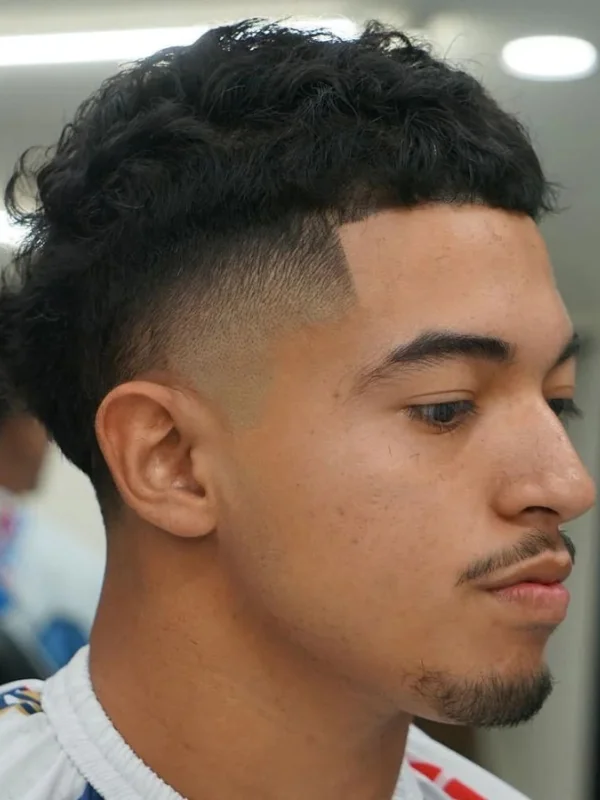
A high taper begins a few inches above the ears, creating a sharper, more defined transition that adds instant structure and contrast to your look. It’s bolder than a low taper and perfect for men who want a clean, modern style that stands out without going full fade.
This cut pairs effortlessly with comb-overs, modern high tops, and textured pompadours, giving each style a crisp, confident edge. The higher fade line elongates the face and enhances definition, especially flattering for oval or rectangular face shapes.
Beyond looks, the high taper is practical. It reduces styling time while keeping your hair neat throughout the day. You can go polished for work or relaxed on weekends, and it still feels intentional.
When visiting your barber, discuss how bold you want the contrast subtle or sharp, so it matches your hair texture, lifestyle, and personality. Done right, the high taper doesn’t just neaten your edges. It sharpens your presence.
Read More: Diamond Face Shape Hairstyles for Men
Tapered Neckline
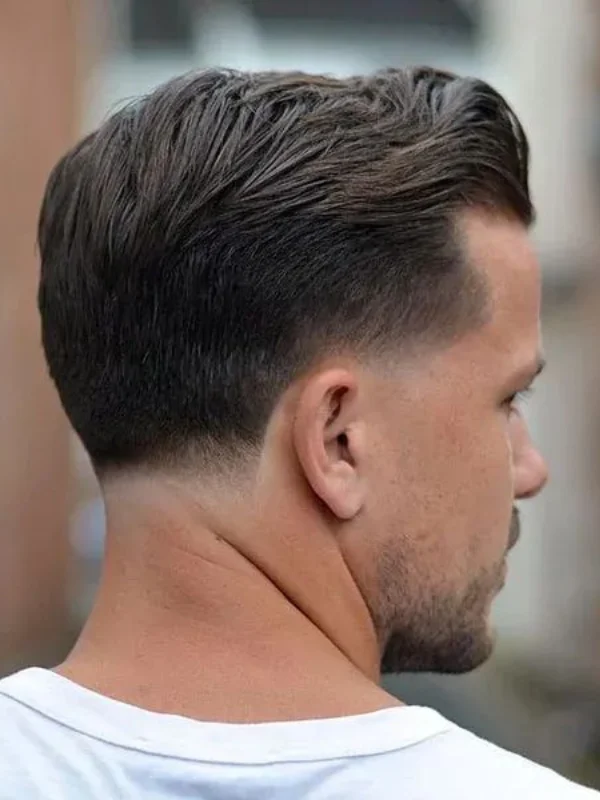
A tapered neckline is the finishing detail that gives your haircut a clean, natural flow. It blends the hair smoothly into the neck, avoiding the harsh lines of blocked or rounded necklines that demand frequent upkeep. As it grows out, it keeps its shape, perfect for men who want a polished look with low maintenance
More than just a neat edge, the neckline defines your haircut’s character and balance. You can personalize it with designs, disconnects, or a classic taper depending on your style. The tapered finish subtly elongates the neck and sharpens the jawline, giving your overall look more structure and presence.
A skilled barber will tailor the neckline to your hair texture, neck shape, and lifestyle, ensuring it feels effortless yet intentional. So, if you want your haircut to stay sharp long after you leave the chair, choose a tapered neckline. It’s the small detail that makes a lasting difference.
Skin Taper
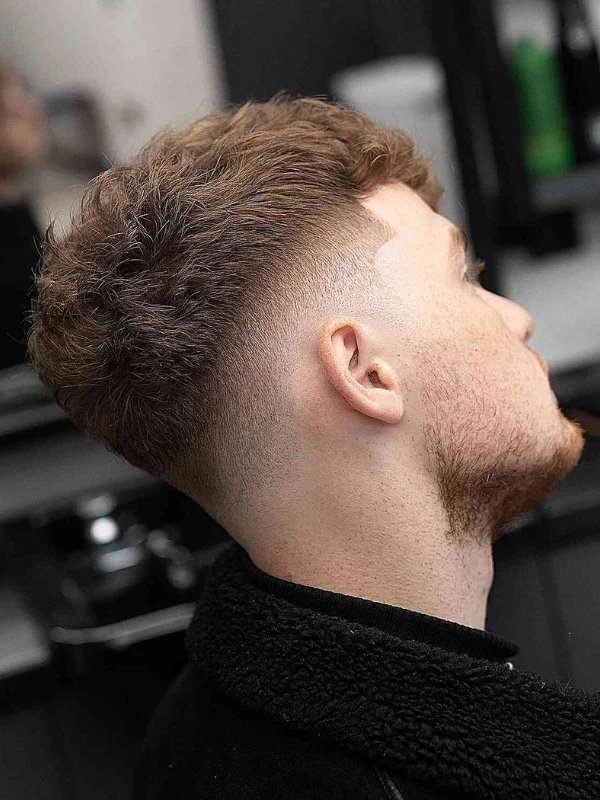
A skin taper gradually fades hair down to the scalp, creating a clean, high-contrast look that works with many styles like pompadours, textured crops, and comb overs. The visible scalp adds definition and a modern edge without going full fade.
It’s practical and stylish, keeping hair off the face and neck, ideal for warm weather or active lifestyles. The taper enhances the shape of the head and balances facial features while maintaining a polished appearance, even as hair grows.
Precision is key: the fade from hair to skin must be smooth and seamless, which is why professional barber technique matters. For subtlety, start with a low or mid skin taper; for bold contrast, a high skin taper emphasizes the head’s contours.
While it requires regular touch-ups to maintain sharpness, the style rewards commitment with a refined, confident look that elevates any haircut. A skin taper isn’t just shorter hair. It’s a clean, intentional statement of style and precision.
Read More: How Often Should Men Get A Haircut?
What Is a Fade?
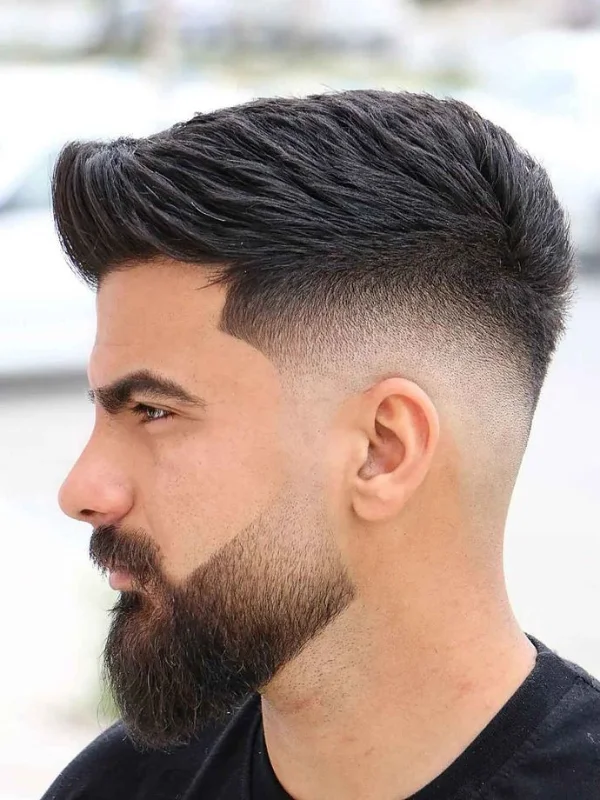
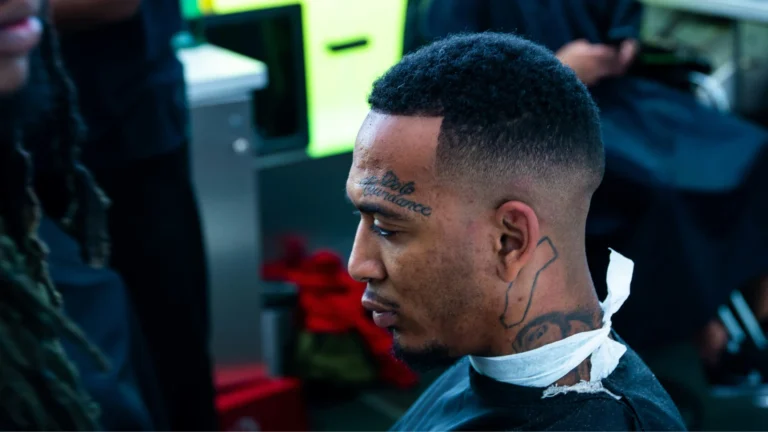
A fade is a haircut where hair gradually transitions from longer on top to very short or skin-close on the sides and back, creating dramatic contrast. This sharp gradient frames the face, highlights the top hairstyle, and delivers a polished, modern look.
Fades are versatile, complementing styles like pompadours, comb overs, quiffs, high tops, and textured crops, making them suitable for both professional and casual settings. The short sides also keep hair off the neck, providing a tidy, low-bulk appearance.
Low Fade
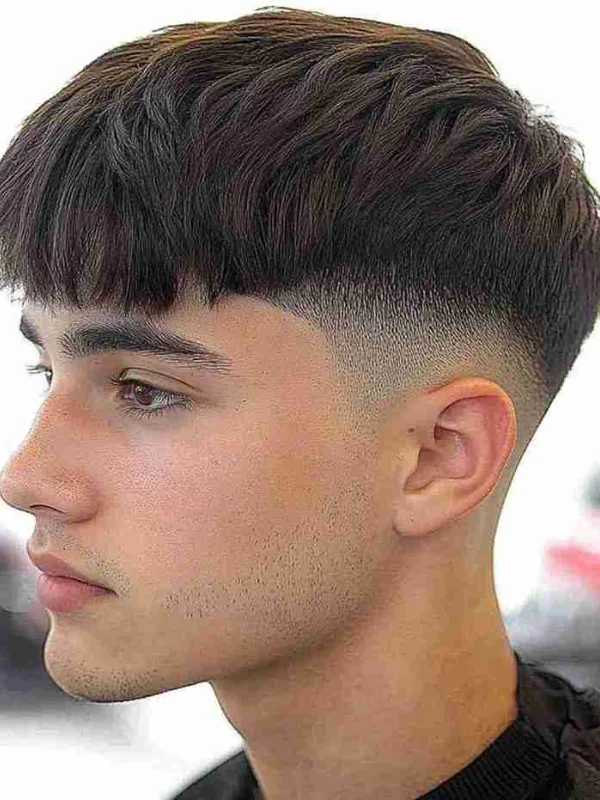
A low fade starts just above the hairline and features an abrupt transition from longer hair on top to shorter sides, creating a sharp contrast and added dimension. While similar in placement to a low taper, the low fade brings more visual flair to otherwise simple haircuts.
It works particularly well with crew cuts and buzz cuts, transforming basic styles into modern, intentional, and polished looks. The low fade balances subtlety and style, making it suitable for professional settings while still offering a contemporary edge.
Precision is crucial: a clean, smooth transition enhances the shape of the haircut and highlights the top hairstyle. Overall, the low fade is a practical, versatile, and stylish way to elevate minimal cuts without overcomplicating your look.
Drop Fade
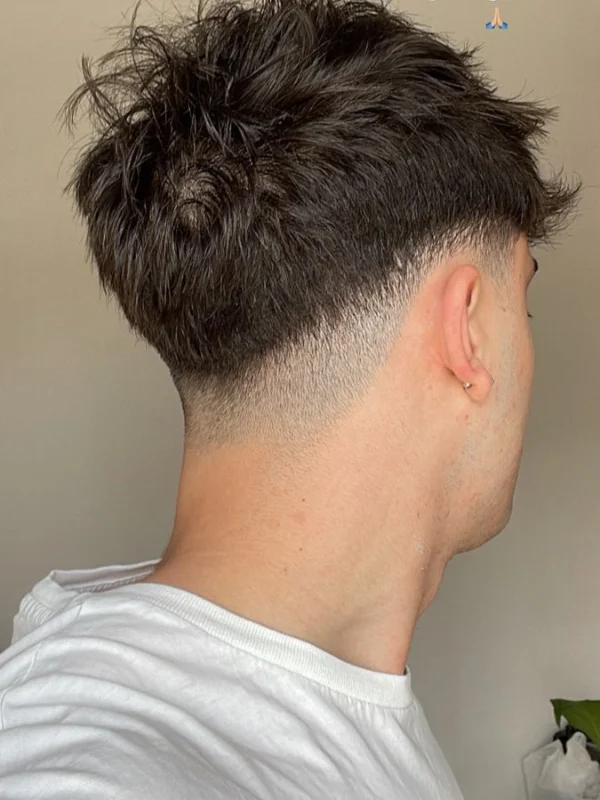
A drop fade is a modern variation of the classic fade that drops below the ears, following the natural shape of the head to create a sculpted, dynamic look. Unlike traditional fades, it curves downward, emphasizing the skull’s contours and adding a bold visual dimension.
It works well with textured crops, buzz cuts, and pompadours, transforming simple hairstyles into structured, stylish, and personalized looks. The drop fade balances creativity with precision, giving a modern edge while remaining professional and wearable.
Maintenance is key: the curved fade line loses contrast as hair grows, so regular barber visits or minor at-home touch-ups are needed to maintain its sharp appearance.
In essence, the drop fade is a confident, dynamic, and intentional haircut that enhances the head’s natural shape and elevates even basic hairstyles, making it perfect for men seeking style, individuality, and clean structure.
Skin Fade
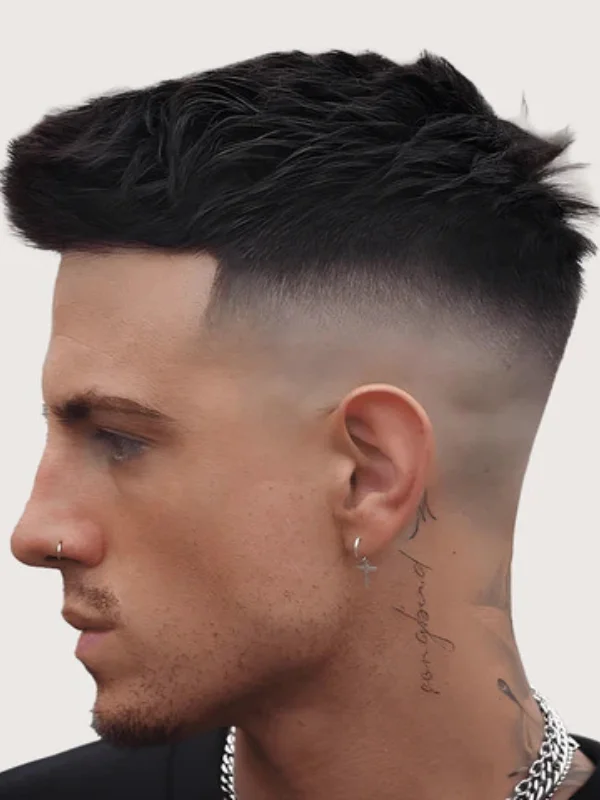
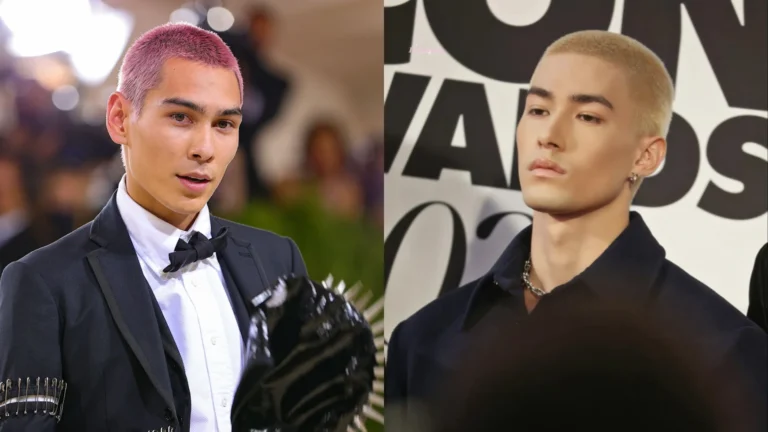
The skin fade, or bald fade, is a high-contrast haircut where the sides and back are shaved close to the skin, stopping just before the natural hairline. This creates a crisp, sharp boundary that frames the hairstyle on top and delivers a modern, structured look.
It is highly versatile:
- Pairs with longer styles like quiffs, pompadours, or textured crops, adding definition and polish.
- Works with short cuts such as buzz cuts, providing a tidy, low-maintenance option.
The skin fade also offers practical benefits, keeping hair off the neck and face, making it ideal for active lifestyles or warmer weather. Maintenance is important; regular barber visits or simple at-home touch-ups keep the contrast and sharpness intact.
In essence, the skin fade blends style, precision, and functionality, offering a bold yet professional look that enhances any hairstyle while remaining clean, polished, and modern.
Undercut Fade
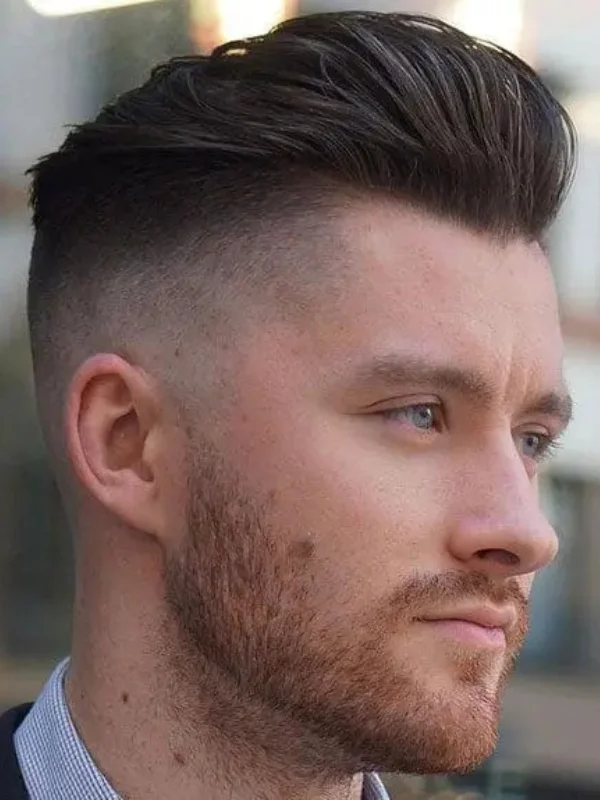
The undercut fade features a blurry fade cut high above the ears, creating a sharp separation between long top hair and neatly faded sides. This contrast emphasizes length, texture, and movement, making hairstyles like waves, pompadours, and textured crops stand out.
Adding a hard part or disconnected cut injects edge and individuality, modernizing classic styles such as the Ivy League cut. The blurry fade softens the transition, blending the sides into the top while maintaining definition and structure.
Versatile and stylish, the undercut fade is suitable for men who want a polished yet bold look, balancing creativity with professional wearability. With regular maintenance, the fade remains crisp, modern, and visually striking, allowing the haircut to communicate confidence and intentional style.
Faux Hawk Fade
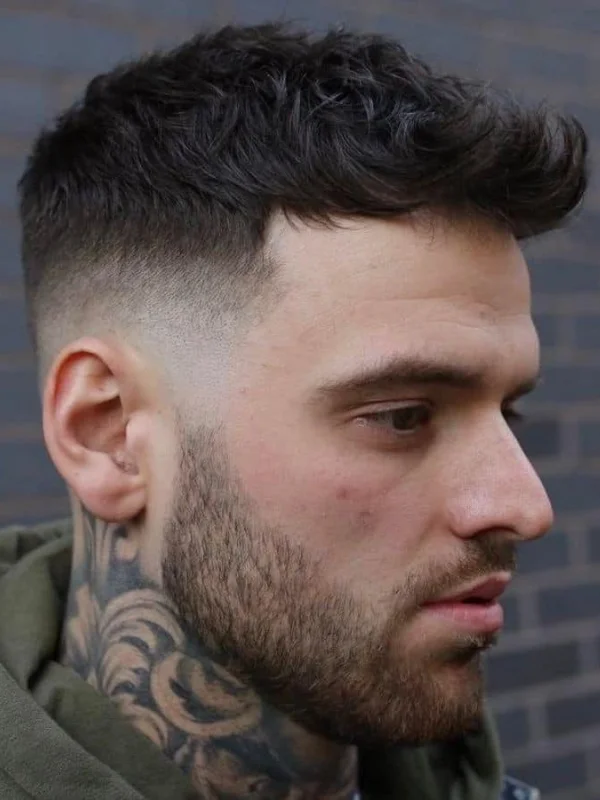
The faux hawk fade is a modern alternative to the mohawk that keeps some hair on the sides, creating a subtle yet stylish contrast. Unlike a fully shaved mohawk, it offers wearability and versatility, suitable for both casual and professional settings.
Pairing it with a tapered cut softens the fade, emphasizing the height and texture of the top hair while maintaining clean, structured sides. Small details like a hard part or disconnect can further personalize the style, adding edge without being extreme.
The faux hawk fade is ideal for men who want a fashion-forward, confident look that draws attention through subtle contrast, texture, and precise fade transitions, while remaining polished, versatile, and modern.
High Fade
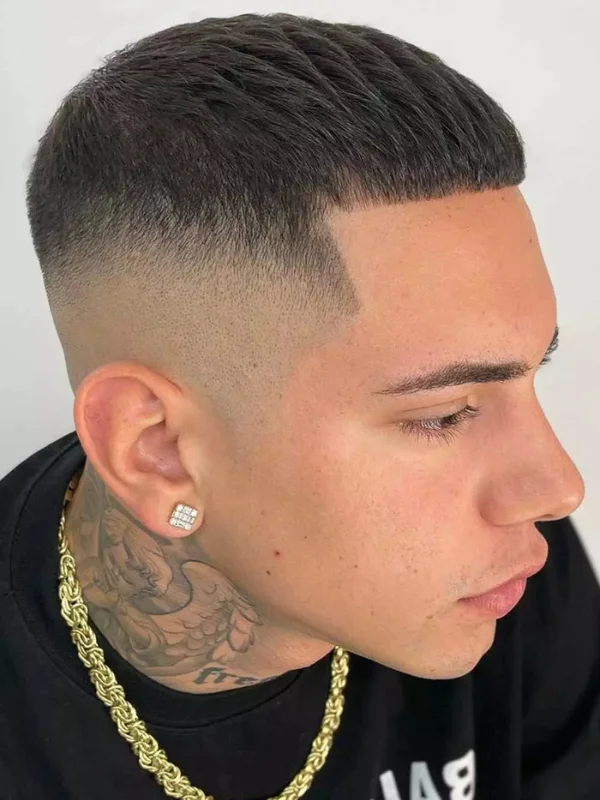
The high fade starts a couple of inches above the ears and gradually shortens toward the bottom, creating maximum contrast between the top and sides. This makes even simple hairstyles appear polished and modern.
It’s highly versatile that keeping the top short gives a clean, professional look, while leaving it longer allows for textures, volume, or pompadours. The high fade also provides a canvas for barber creativity, enabling designs, patterns, or hard parts for a personalized touch.
Functionally, the high fade keeps hair neat and off the neck, highlights facial structure, and adds visual height. It’s ideal for men who want a bold yet versatile, low-maintenance, and expressive hairstyle that balances style with practicality.
What Is a Taper Fade?
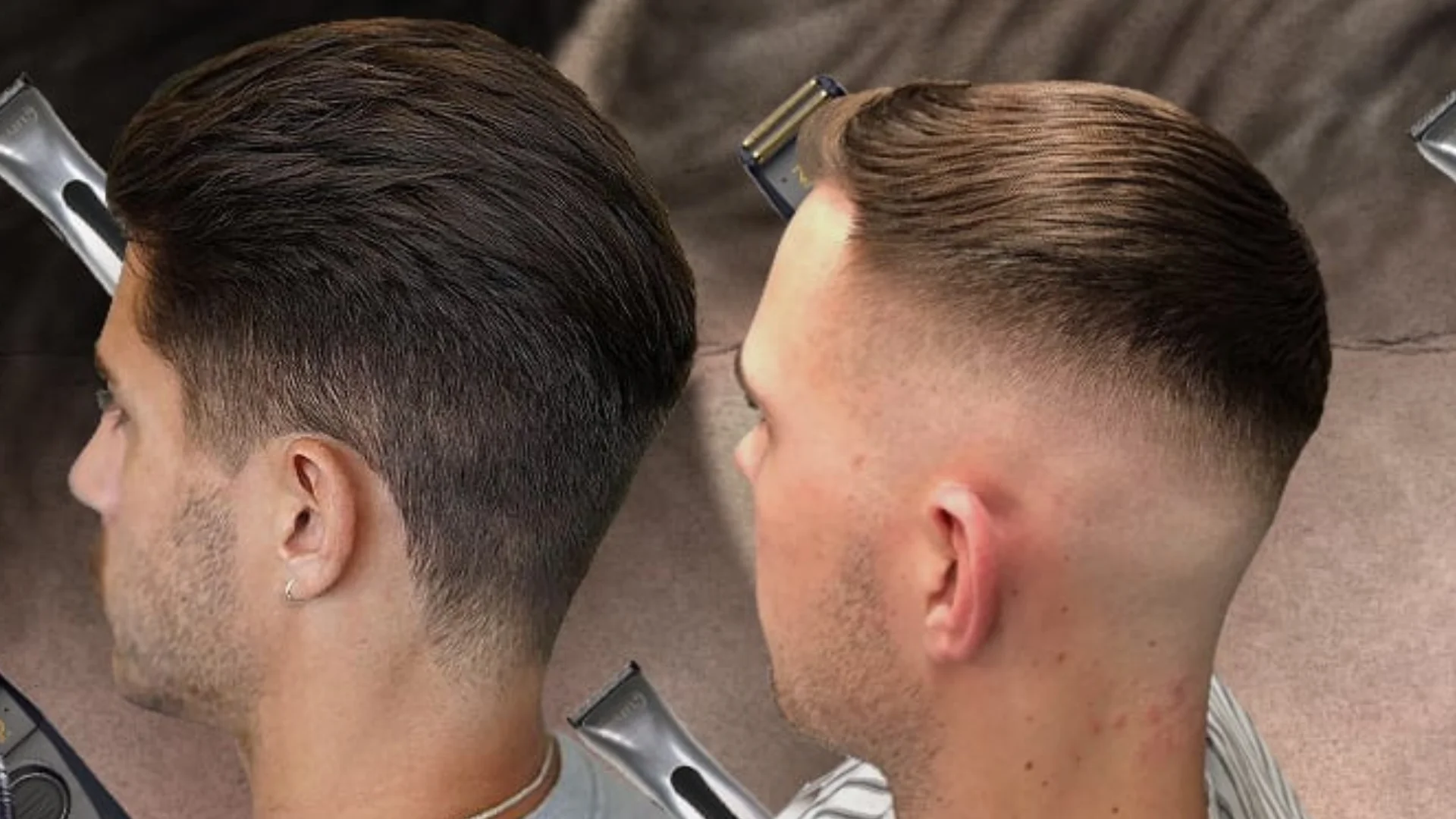
The taper fade is a hybrid style combining the gradual shortening of a taper with the sharp contrast of a fade. It is not a fixed haircut, so results can vary depending on the barber’s interpretation.
To get the look you want, it’s essential to bring photos or visual references. This ensures your barber understands how high or low the fade should be, how gradual the taper is, and how the top flows into the sides.
The taper fade offers versatility. It blends the soft, natural edges of a taper with the dramatic impact of a fade, creating a modern, polished style. It works for different textures, volumes, and designs, allowing a subtle yet standout haircut.
Ultimately, a taper fade demonstrates the importance of communication and customization, turning a vague term into a personalized, signature look that balances style, professionalism, and individuality.
Fade Comb Over
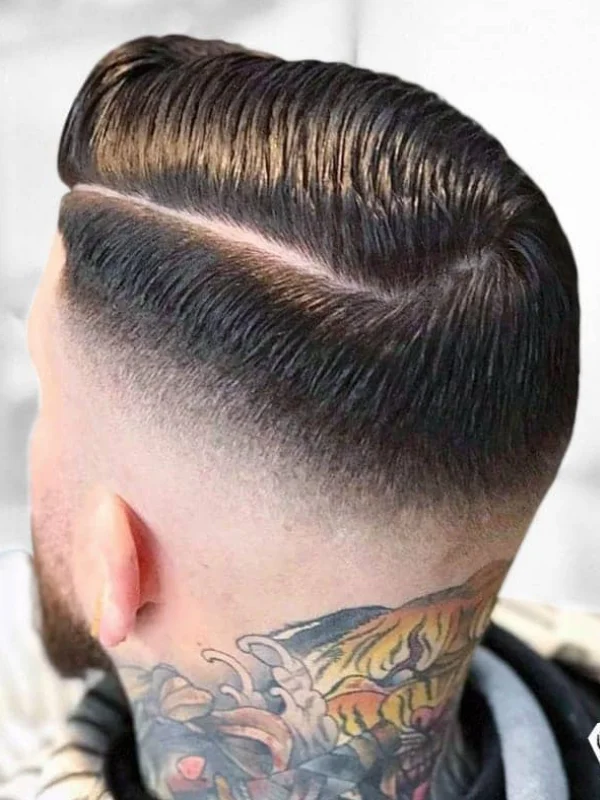
The fade comb over modernizes the classic comb over by adding a fade on the sides, creating a clean, polished contrast with the longer hair on top. Originally used to cover thinning hair, it’s now a versatile and fashionable style suitable for nearly any face shape.
Key benefits:
- Flexibility: Top length, texture, and shape can be customized.
- Balance: Works well with facial hair to enhance facial structure.
- Polish: The fade keeps the haircut neat and defined.
For the best results:
- Bring photo references to your barber.
- Discuss face shape, hair type, and lifestyle to tailor the cut.
The fade comb over blends traditional functionality with modern style, offering a versatile, approachable, and timeless look that’s both bold and easy to maintain.
How To Choose Between A Taper and Fade Haircut
Choosing between a taper and a fade depends on three key factors: hair type, desired contrast, and maintenance.
1. Hair Type & Texture
- Straight hair: Both taper and fade enhance structure and definition.
- Wavy/curly hair: Fades reduce bulk and simplify upkeep; tapers highlight natural curls.
2. Contrast & Hairstyle
- Very short haircuts: Fades add bold contrast and edge.
- Classic/professional styles: Taper fades create a polished, soft finish.
- Medium/long hair: Low or medium variations work for both, balancing volume and focus.
3. Maintenance & Lifestyle
- Tapers: Low upkeep, natural growth, ideal for minimal maintenance.
- Fades: High upkeep; requires frequent barber visits to maintain a sharp contrast.
- Taper fades: Balanced option; professional look with moderate upkeep.
Actionable Tip: Evaluate your hair type, contrast preference, and daily routine. Bring reference photos to your barber to ensure the cut is customized for your style and lifestyle.
Takeaway: The best choice isn’t about trends. It’s about aligning your haircut with your hair, style goals, and maintenance needs to achieve a look that’s polished, practical, and effortless.
FAQs: Taper vs Fade Haircuts
1. Is a Taper or Skin Fade Better?
It depends on your style goals and maintenance preferences. A taper offers a classic, understated look that grows out naturally and requires less upkeep. A skin fade is bold and high-contrast, shaving hair close to the scalp for a crisp, sharp appearance. But it needs more frequent barber visits to maintain that defined look. Think of tapers as low-maintenance sophistication, and skin fades as statement-making precision.
2. Is Skin Fade & Fade the Same?
Not exactly. A fade refers broadly to any haircut where hair gradually shortens from top to bottom. A skin fade (or bald fade) is a type of fade where the hair is shaved all the way down to the skin at the bottom, creating maximum contrast. So, all skin fades are fades, but not all fades are skin fades.
3. Should I Get a Low or Mid Fade?
Low fade: Begins just above the ears; subtle and perfect for a gentle, professional look.
Mid fade: Starts a bit higher; adds more contrast and works well with modern, edgy styles.
Choose based on how dramatic you want the contrast to be and how much of the fade you want visible when styling your hair.
4. What is the Difference Between a Fade & a Mid Taper Fade?
A fade emphasizes high-contrast shortening, often reaching the skin at the bottom. A mid taper fade blends the subtlety of a taper with the modern edge of a fade, giving a smooth transition that’s neither too dramatic nor too soft. It’s ideal if you want versatility: professional enough for work, stylish enough for casual outings.
5. Do Tapers Last Longer Than Fades?
Yes. Because tapers have more gradual, natural shortening, they grow out more gracefully and require fewer trips to the barber. Fades, especially skin fades, show regrowth quickly and lose their sharp contrast, meaning you’ll need frequent maintenance to keep them looking clean.